Planning:
• TrinkwV-2000 Regulation for Potable Water
• DIN 2000 Central drinking water supply-Guidelines regarding requirements for drinking water, planning, construction,operation and maintenance of plants
• EnEV Decree for Energy Saving
• DIN 1988 Standard for Potable Water Installations
• ISO 10508 Plastic pipe systems for hot and cold water installation – Guideline for classification and dimensioning
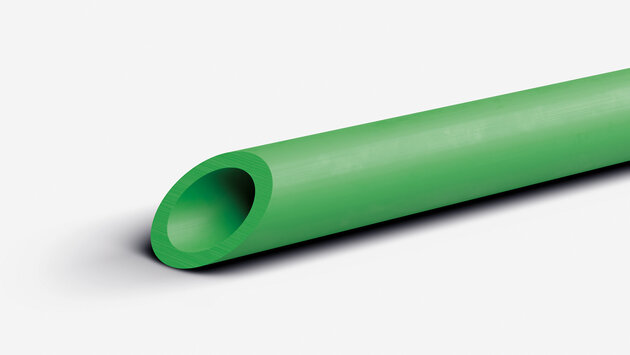
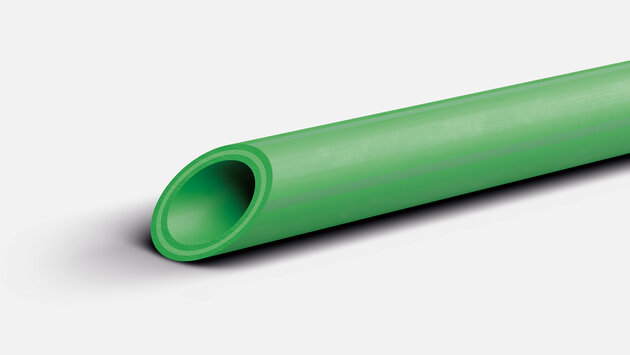
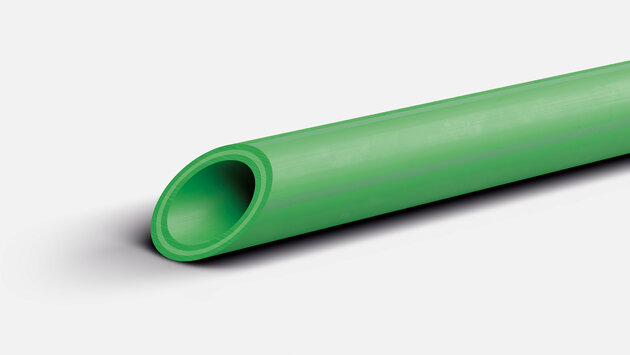
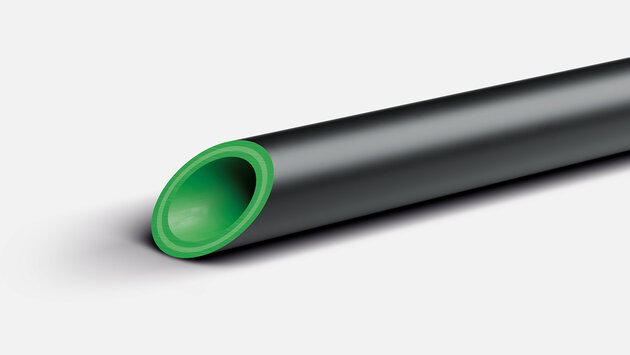
• All provided pipe-systems correspond to the technical conditions of the application classes acc. to ISO 10508 for the field of potabel water and heating. aquatherm green pipe for the classes 1, 2 (potable water), aquatherm blue pipe for the classes 4 and 5 (heating).
• For the application of the classification system (acc. to ISO 10508) the national regulations and the manufacturer¢•s instructions must be considered.
• DIN 4109 Standard for the Elimination of Noise in the Field of Structural Engineering
• DIN 18381 Installation of Gas, Water and VOB Part C Sewage Pipes inside Buildings
• DIN 16928 Pipe Connections, Fittings, Installation
• DVS 2207 Welding of Thermoplastics
• DVS 2208 Welding Machines and Devices for Thermoplastics
Systemspecific standards:
• General quality requirements, dimensions
• DIN 8077 Polypropylene (PP) Pipes, Dimensions
• DIN 8078 Polypropylene (PP) Pipes, General Quality Requirements
• DIN 16962ff Pipe Joint Assemblies and Fittings for Polypropylene Pressure Pipes
• DIN EN ISO 15874ff Plastic pipe systems for hot and cold water installation; polypropylene
• DVGW-Working sheets
• SKZ-Guidelines
• DIN EN ISO 9000 ff.
Systemspecific standards: Hygiene
BfR Federal Institute for risk assignment
• Health assessment of plastics and non-metallic materials within the framework of the law for foods and commodity goods for potable water applications
DVGW-working sheet W 270
• Increase of Microorganism on Materials. Used for Potable Water Applications – Test and Evaluation BS 6920
• “Suitability of non-metallic products for use in contact with water intended for human consumption with regard to their effect on the quality of water.”
• Local regulations and codes of practice must be observed. The same goes for regulations regarding the use of chemicals.
*(Additional regional decrees and recommendations are disregarded.)